Published on:
Oct 1, 2021
Women and Writings that shape India
Intent: To make people curious and more aware of women stand in Indian history. Leading curiosity to right readings
Diwan-i- Am, Red Fort, Delhi
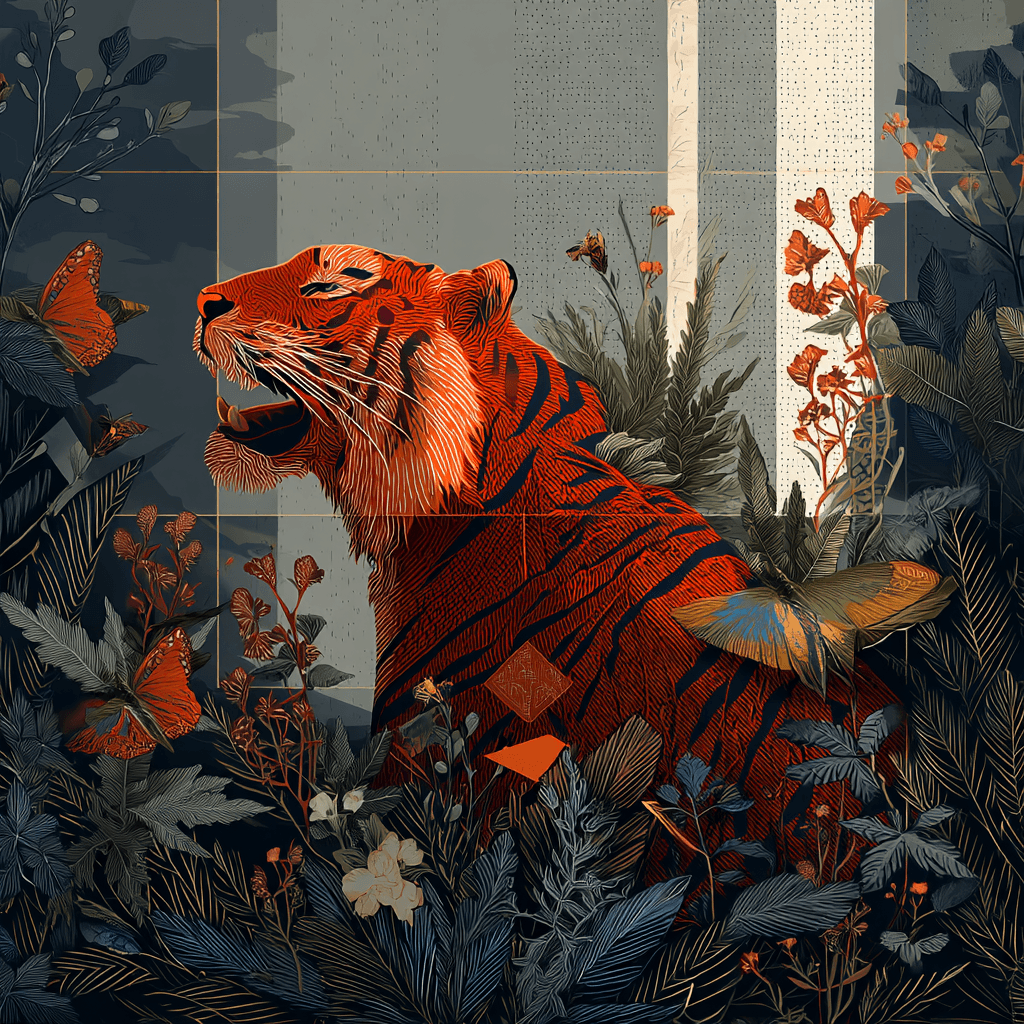
A place where Turkish emperor Akbar used to receive members of the general public. For the first exhibition, it’s an ideal place just because both the elite and the common could be in same room, symbolizing that everyone can be heard by the higher power. Craftsmanship and detailing of the space can be interpreted as metaphor to the role, influence and aesthetic aspect of women of India. On top, narrative weaves Emperor Akbar towards the end.
Symbolism
Culture and Belongingness
History largely talks about warriors and heroism shown by men during war, it never has dominantly highlighted what women do to the lands, preserving culture and tails that really bring and shape generations to be who they are and where they come from. To call a place their own, rulers always relied on women to generate and give purpose for men to get a sense of belongingness
Jewelery
Mangal sutra - Last ornament that ensured women financial safety in the times of need. Bangles - Represent luck, prosperity, success, love and a new beginning. Ornamentation - symbol of marriage which signifies sexuality to be allowed only in confined boundaries.
Courtesans
They were never looked down in shame and less by any leader or king or religion. They were a part of life who were well educated in poetry, music and skilled in sexual pleasure. They were a part of esteemed members of the society. Amrapli is one such artists that was visited by Buddha in the reign of Bimbisara.
Through Paintings
Raja Ravi Varma . A celebrated Indian painter and artist. The first to portray the sensuality and modesty of Indian women through Indian sensibilities and European techniques he was perhaps the biggest influencer of his time. Acceptance and Celebration Courtesans They were never looked down in shame and less by any leader or king or religion. They were a part of life who were well educated in poetry, music and skilled in sexual pleasure. They were a part of esteemed members of the society. Amrapli is one such artists that was visited by Buddha in the reign of Bimbisara. The Quintessence Indian Goddess Mohini Jhansi Ki Rani Khanzada Begam His work will be portrayed in this exhibition because he elevated the social status of women to some extent in a country largely governed through patriarchy. Humanizing the aspect of Gods and Goddesses in a new progressive India at a time in Indian history when the British were leaving India in hands of Indians.
Sita Mata - Shri Kewal Krishna Sharma Draupadi Sudeshna - Raja Ravi Varma . Contrast between Great figures - On one hand there is this ideal woman, devoting her husband, etc. But the lateral goes against everything that is not expected out of ideal Indian women, outspoken, angry - keeping her hair loose only to tie it once it is drenched in the blood of her enemies. One internalizes her anger another one is outrageous yet becomes a sita like character till the end of the story.
Portraying Rani Lakshmi Bai. Her story is written and symbolically represented as heroism by men which will act as a metaphor to this exhibition. In the sense that this great women is written by many yet every perspective of hers is seen differently by different people. Are privileges by birth only way for women to get empowered in history?
Amrapali. Vatsyayana Kamasutra A book that later was seen as a taboo in Indian culture. It greatly explores the idea of pleasure, in the sense that pleasure is the most beautiful expression of nature and simple things can amplify it. Contrary to western ideas of controlling and minimizing pleasure (sin). It was the bible of pleasure and how did it changed lives of people?
Timur-id Women and the Mughal empire. Protection, care, knowledge, power and prosperity all were present with these women. Women played a major role in shaping Mughal empire, influencing thoughts of acceptance, sensitivity and spreading and protecting culture to it’s core is what will be reflected through this section of the exhibition. Women too brings sense of belongingness to a place and great rulers like Babur and Akbar have benefited from their existence to large extents.
Meera Bai. She questioning the habit of sending young girls away from her only support system and getting abused by her inlaws… why does this happen? Why education was not a part of a girl child as it used to be qualified to get married. Idea of Migration - loss of support yet her depiction of divine love comes from great sorrow.
Let’s keep in touch.
Follow us on Twitter and Instagram.